Dec 10, 2025
We are incredibly proud to announce that Beechat has been selected as one of the 150 companies joining the NATO Defence Innovation Accelerator for the North Atlantic (DIANA) 2026 Challenge Programme. Chosen from a competitive field of over 3,600 applicants across the Alliance, this selection marks a pivotal moment in our mission to deliver sovereign, resilient communications where they are needed most.
Accelerating Innovation for the Alliance
NATO DIANA was established to maintain the Alliance’s technological edge by identifying and accelerating dual-use solutions that address critical defence and security challenges. As a cornerstone of NATO’s innovation strategy, it connects world-class talent with operational end-users to foster deep-tech resilience.
Being selected for the 2026 Cohort is not just an accolade; it is a strategic opportunity. It allows us to align our infrastructure-independent capabilities with NATO’s urgent requirement for resilient command and control systems that can survive in contested environments.
The Solution: Kaonic
Modern conflict and humanitarian crises have demonstrated the fragility of centralised infrastructure. When cell towers fail or fibre lines are severed, the ability to coordinate evaporates.
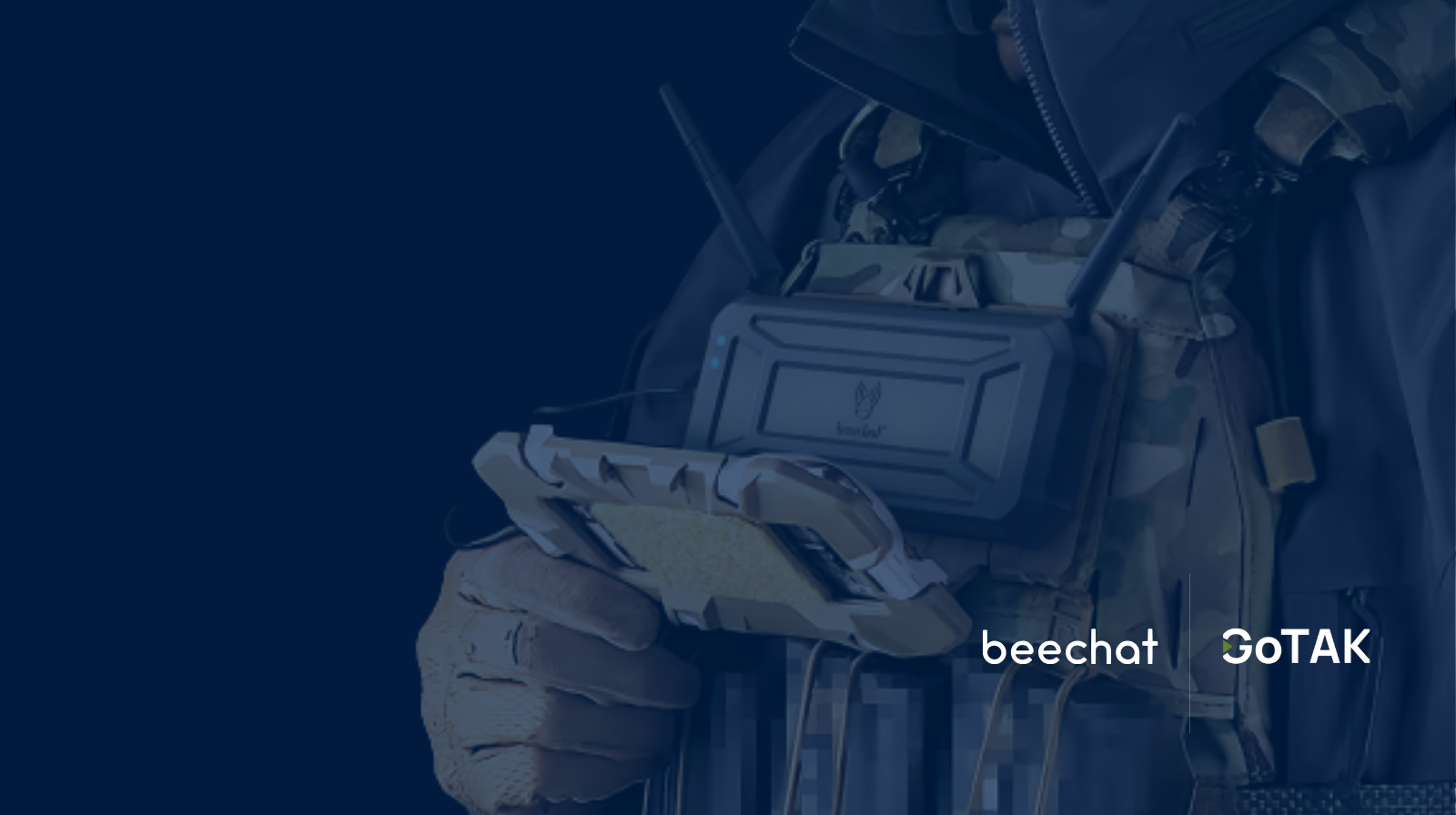
Under the DIANA programme, we will accelerate the development of Kaonic, our rugged tactical mesh device designed to operate independently of these vulnerabilities. Unlike conventional radios that rely on IP addressing and routing infrastructure, Kaonic runs on the Reticulum cryptographic networking protocol. This allows for autonomous mesh formation and self-healing routing without the need for central coordination, servers, or discovery protocols that can reveal a unit’s location.
It effectively creates a sovereign network that travels with the operator, ensuring connectivity remains robust even when the electromagnetic spectrum is aggressively denied.
Building for the Future: Post-Quantum Cryptography
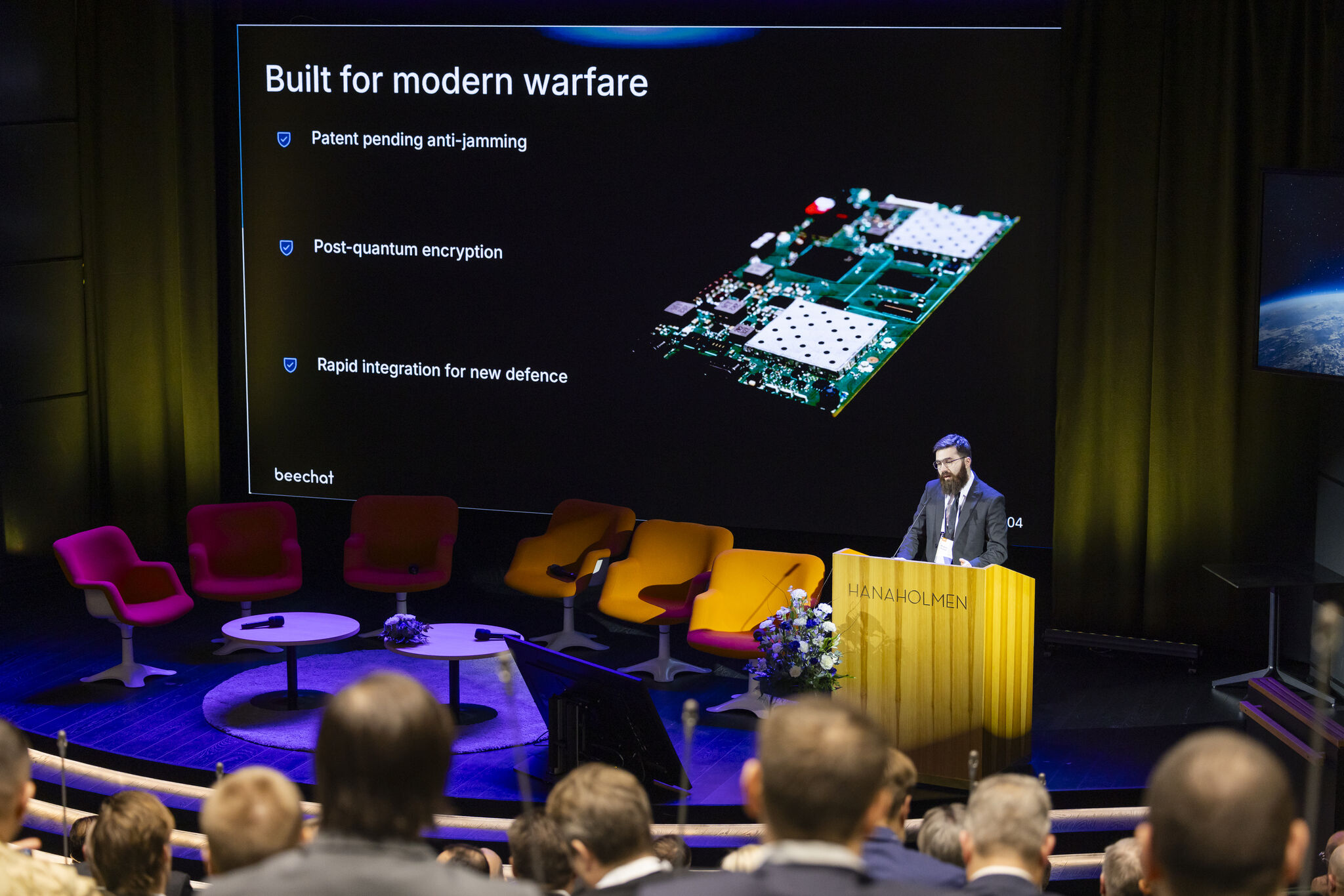
Our participation in the accelerator will focus heavily on future-proofing secure communications. We will use this opportunity to integrate National Institute of Standards and Technology (NIST) approved post-quantum cryptography (PQC) algorithms directly into the Kaonic stack.
Owing to the fact that our underlying mesh protocol is natively cryptographic, this integration is structural rather than “bolted on,” granting us a level of deep-rooted security that is inherently difficult for legacy architectures to replicate.
By incorporating Dilithium for digital signatures and Kyber for key encapsulation, we ensure that the networks built today remain secure against the decryption threats of tomorrow. This critical upgrade delivers a future-proof solution for dismounted teams, autonomous systems, and civil responders alike.
Leveraging the Ecosystem
Over the next six months, the Beechat team will leverage DIANA’s transatlantic network to push Kaonic towards full operational maturity. We will be working alongside accelerator sites and accessing a network of over 200 specialised test centres to validate our system’s ruggedness and cryptographic agility in realistic, mission-relevant scenarios.
This programme offers us a unique pathway to engage directly with Allied end-users, ensuring that our sovereign hardware meets the rigorous demands of NATO’s operational needs while retaining the commercial scalability required for widespread adoption.
We look forward to sharing more updates as we progress through the capability sprints and field trials.